There’s something magical about watching a plant thrive under your care. Whether it’s a money plant trailing from a shelf or a calming peace lily on your desk, indoor gardening brings a unique joy. And when done right, it can also boost your mood, purify your air, and create a soothing vibe in your home.
If you’ve ever watched your pothos droop and wondered why, or overwatered your succulents hoping they’d grow faster, this guide is for you. Let’s dive into simple, practical houseplant care tips tailored for Indian homes.
Why Indoor Gardening Works So Well in India
Indian homes, especially urban apartments, often get bright but indirect light. That’s perfect for many houseplants. Plus, we don’t deal with harsh winters in most cities, so year-round growth is very much possible.
You don’t need a massive balcony or expensive tools to get started. Even a windowsill and a few repurposed pots can do wonders.
Start With These Low-Maintenance Plants
If you’re new to indoor gardening, begin with plants that forgive you for occasional neglect. Here are some popular choices:
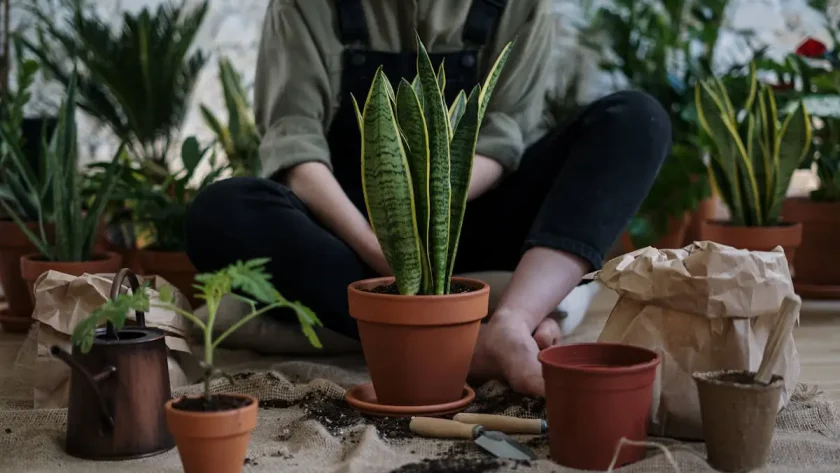
Snake Plant (Sansevieria): Grows in low light and needs little watering.
Money Plant (Pothos): Fast-growing and happy in water or soil.
Peace Lily: Needs moderate light and warns you when it needs water by drooping.
Areca Palm: Thrives in filtered light and makes a great indoor air purifier.
ZZ Plant: Hardy and perfect for low-light corners.
Rashmi, a software developer from Bangalore, started with one money plant in a bottle. Now, her kitchen window is filled with lush green cuttings. “It all began with a single glass of water and a cutting from my mom’s garden,” she laughs.
Understanding Light and Placement
Every plant has its light preferences. A sunny south-facing window may be perfect for succulents, but it could burn a peace lily. Here’s how to judge:
Bright Indirect Light: Ideal for most houseplants. Place near east or north-facing windows.
Low Light: Corners away from windows work for snake plants and ZZ plants.
Direct Sunlight: Good for cacti and succulents. Balcony railings or west-facing windows work best.
Tip: If your plants are getting leggy or pale, they may need more light. Rotate them weekly for even growth.
How to Water Without Killing Your Plants
Overwatering is the number one killer of houseplants in Indian homes. It’s tempting to water often, especially during summer, but most plants hate soggy roots.
Golden Rules:
Always check the top inch of soil. If it’s dry, water.
Use pots with drainage holes. Always.
Water early in the morning when temperatures are lower.
Reduce watering during winter or monsoon.
Real-Life Tip: Anita from Pune started using a simple toothpick trick. “I stick a toothpick in the soil. If it comes out clean, the plant’s thirsty,” she shares.
Best Soil Mixes for Indian Conditions
Most plants don’t do well in heavy garden soil. You need a mix that holds moisture but drains well.
DIY Mix for Houseplants:
50% regular potting soil
25% cocopeat or coir
25% perlite or sand
This mix is light, drains well, and works across Indian cities, whether it’s humid Mumbai or dry Delhi.
Fertilising the Right Way
Indoor plants need nutrients, especially when grown in pots. But don’t overdo it.
Simple Fertiliser Schedule:
Use a mild liquid fertiliser once a month during the growing season (March to September).
Vermicompost or cow dung compost can be added every 2-3 months.
Avoid fertilising in winter when most plants go semi-dormant.
Home Hack: You can make a banana peel tea by soaking peels in water for 2 days. Water your plants with it once a month.
Dealing with Common Indoor Pests
Even indoor plants attract pests like mealybugs, aphids, or spider mites.
Natural Remedies:
Mix neem oil with water and a few drops of liquid soap. Spray weekly.
Wipe leaves regularly with a damp cloth to keep them clean.
Isolate infected plants to stop the spread.
Sameer from Chennai swears by neem oil. “It’s the only thing that saved my fiddle leaf fig. Now, I spray once a week without fail.”
Seasonal Tips for Indian Homes
India’s weather changes quickly, and so should your plant care.
Summer:
Water early to prevent evaporation.
Mist plants to increase humidity.
Keep away from harsh direct sunlight.
Monsoon:
Cut back on watering. Soil stays moist longer.
Watch for fungus or mould.
Winter:
Move plants to sunnier spots.
Water less. Growth slows down.
Avoid misting as excess moisture can attract fungus.
Best Tools to Keep Handy for Indoor Gardening
You don’t need a fancy kit. A few basics are enough.
Small watering can
Pruning scissors
Neem oil spray
Moisture meter (optional)
Old toothbrush (for cleaning leaves)
Creative Ideas for Small Spaces
Even tiny apartments can be green.
Hang planters on walls.
Use ladders or old shelves as plant stands.
Grow herbs on windowsills.
Repurpose old cups or tins as pots.
Final Thoughts: Growing Green Brings Real Joy
There’s a special satisfaction in watching a plant bloom that you cared for. It teaches patience, presence, and love. Indoor gardening doesn’t need to be expensive or complex. With a little observation and regular care, you can turn your home into a peaceful green retreat.
Whether you’re in a studio apartment in Mumbai or a duplex in Hyderabad, these houseplant tips can bring fresh life to your space.
Got a favourite houseplant or a funny plant fail? Share your story or tip in the comments! Let’s grow together!