Have you ever felt curious about Indian classics but didn’t know where to begin? You’re not alone. Many readers feel overwhelmed by the sheer number of books, languages, and cultural references. But don’t worry—this guide will make it easy, practical, and even fun to get started.
Whether you’re looking for soulful stories, ancient wisdom, or unforgettable characters, Indian classics offer something for everyone.
Why Indian Classics Still Matter
Indian classics have stood the test of time. They continue to inspire, educate, and move readers across generations. These books reflect India’s diverse culture, deep spirituality, and rich storytelling traditions.
They’re not just about entertainment—they help us connect with our roots and understand human nature.
Ask any grandparent about their favourite book, and chances are they’ll mention a classic. These stories were passed down not just through books but also through family, folklore, and everyday life.
Where Should You Start?
It’s best to start with books that are simple, relatable, and available in modern translations. If the language feels too complex at first, it might push you away. So begin with easier reads and move to deeper texts later.
Here’s a step-by-step way to begin your journey.
1. Start with English Translations of Regional Classics
Most Indian classics were written in regional languages. Luckily, many of them have excellent English translations now.
Here are some great options:
“Malgudi Days” by R.K. Narayan
These short stories are light, humorous, and deeply Indian. Set in the fictional town of Malgudi, they show everyday lives with heart and humour.
“Godaan” by Munshi Premchand
A powerful novel originally written in Hindi. It explores rural India, poverty, and human dignity. The English version keeps the soul of the story intact.
“Ponniyin Selvan” by Kalki Krishnamurthy
A Tamil historical novel full of politics, intrigue, and adventure. It’s now available in easy-to-read English translations.
2. Choose Themes That Interest You
Don’t just follow a list of must-reads. Think about what excites you.
Like philosophy and self-discovery?
Try the Bhagavad Gita, especially the versions with commentary.
Interested in epic battles and moral dilemmas?
Start with a simplified version of the Mahabharata.
Love strong female characters?
Look into the story of Draupadi, or read “Yajnaseni” by Pratibha Ray, a powerful retelling of her journey.
3. Explore Indian Mythology Through Retellings
If the original versions feel too dense, go for modern retellings. They keep the soul but simplify the language.
“Palace of Illusions” by Chitra Banerjee Divakaruni
A fresh take on the Mahabharata from Draupadi’s perspective. Emotional, rich, and very readable.
“Sita: An Illustrated Retelling” by Devdutt Pattanaik
A beautiful version of the Ramayana that focuses on Sita’s strength and choices.
These books help you grasp the essence of Indian mythology without feeling overwhelmed.
4. Use Audiobooks or Short Video Summaries
If you don’t have time to read, try listening. Many Indian classics are available as audiobooks. Some even come with soothing background music and excellent narration.
You can also find short video explainers that summarise epic stories in a few minutes. Perfect for busy days.
5. Make It Social: Read with Others
Start a reading group with friends or family. Reading together can help you stay motivated. You’ll also enjoy the discussions that follow.
When I first read The Mahabharata, I didn’t understand half of it. But discussing it with my grandmother brought the stories alive. Her insights made me see Arjuna’s doubts and Krishna’s advice in a completely new way.
6. Don’t Worry About Understanding Everything
Some parts may feel confusing. That’s okay. Indian classics are deep. They’re meant to be read slowly and revisited.
Take your time. Focus on what you understand and enjoy. As you keep reading, the meanings will grow on you.
7. Shop Smart: Where to Find These Books
You can find most classics online today. Indian online shopping platforms like:
Amazon India
Flipkart
Bookchor
Pustakmandi
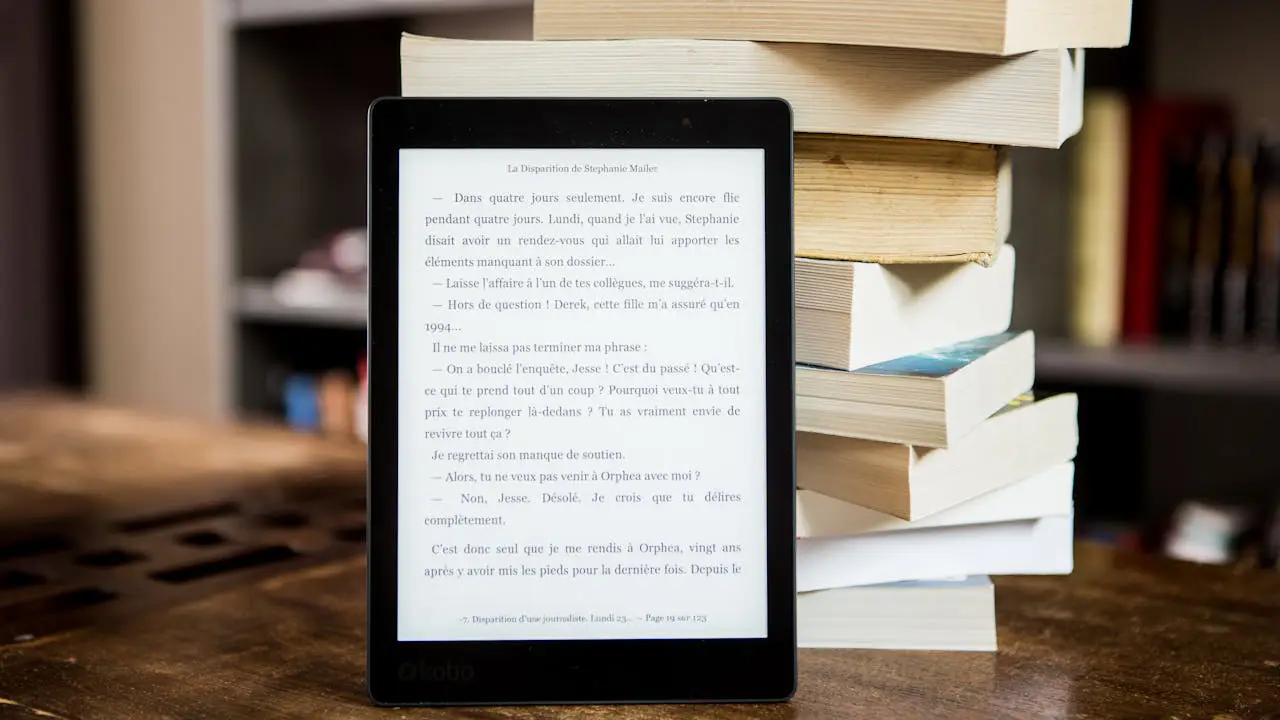
…offer discounts and bundle deals. Look for paperback editions or Kindle versions if you want to save space and money.
8. Must-Have Starter Pack: A Quick List
Here’s a beginner’s list to get you started:
“Malgudi Days” – R.K. Narayan
“The Palace of Illusions” – Chitra Banerjee Divakaruni
“Bhagavad Gita: As It Is” – Swami Prabhupada or Eknath Easwaran’s version
“Godaan” – Munshi Premchand
“Sita” – Devdutt Pattanaik
“Ponniyin Selvan” – Kalki (translated)
Pick one from here, start slow, and enjoy.
How a Classic Changed My Friend’s Life
A friend of mine, Neha, used to avoid Indian books. She thought they were too heavy and boring. One day, I gifted her The Palace of Illusions. She read it in two days and couldn’t stop talking about Draupadi.
She later read the Mahabharata and found it deeply empowering. That one book opened a whole new world to her.
Today, she writes blog posts about Indian mythology and even leads a book club.
Final Thoughts
Reading Indian classics is not just about the past. It’s about learning values, facing life’s questions, and growing as a person.
Whether you’re 16 or 60, it’s never too late to begin. The key is to start with the right book.
Let the stories guide you, the characters teach you anf the journey shape you.
Have you read any Indian classic that stayed with you?
Or are you planning to start your journey now?
Tell me in the comments below! We’d love to hear your thoughts, recommendations, and reading experiences.