
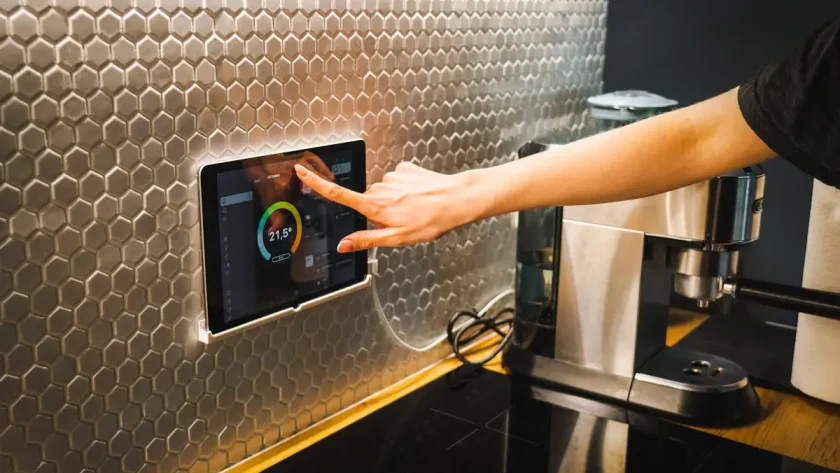
A home feels complete when the kitchen works like magic. Ask any Indian family—meals are not just about food, they’re about bonding, tradition, and daily life. Now, what if that same kitchen could be smarter, quicker, and more efficient? Smart kitchen appliances are no longer luxuries. They’re practical tools that save time, reduce effort, and make cooking more enjoyable.
Let’s explore how smart kitchen gadgets can change daily routines for Indian families, one meal at a time.
Why Smart Appliances Matter for Indian Kitchens
Indian cooking is time-intensive. From pressure cooking dal to grinding chutneys, everything takes effort. A smart appliance can cut prep time by half. And that’s a big win for working parents, college students, and even elderly home chefs.
These tools also add consistency. Your dosa batter will ferment perfectly every time. Your rotis will puff up just right. You won’t worry about overcooked rice anymore.
Smart Pressure Cookers: A Modern Twist to a Classic
Traditional pressure cookers are essential in Indian homes. But smart versions take it to another level.
For example, the Instant Pot Duo is a game-changer. It lets you sauté, steam, slow cook, and pressure cook in one device. Set the timer, choose your mode, and walk away. Your rajma or sambar will be ready without a single whistle.
Many working mothers swear by it. Reena, a teacher in Pune, says, “My Instant Pot cooks khichdi while I bathe my kids. No more stove babysitting.”
Automatic Roti Makers: Rotis Without the Hassle
Rolling rotis every morning is no joke. It takes skill and time. That’s where smart roti makers come in.
Take Rotimatic, for instance. Add flour, water, and oil. It does the kneading, flattening, and roasting for you. Fresh rotis pop out, one after another. It’s perfect for busy families or students living away from home.
Though it’s a bit expensive, many call it a long-term investment. It saves precious time and avoids the mess of flour on countertops.
Mixer-Grinders with Digital Control: Better Than Basic
A mixer-grinder is a staple in every Indian home. But smart ones offer more control and safety.
Brands like Preethi Zodiac 2.0 come with digital speed control and preset modes. Want to grind coconut chutney or blend a smoothie? Just press the right button.
A digital interface helps avoid overheating or over-blending. Seniors especially find them easier to use, thanks to their one-touch features.
Air Fryers: For Guilt-Free Snacking
Let’s be honest. We love our samosas, pakoras, and fries. But daily deep frying is not heart-friendly.
Smart air fryers like the Philips Digital Airfryer allow you to enjoy fried snacks with 90% less oil. Set the timer, and it turns off automatically once your food is ready.
Busy moms use it to pack tiffins. Kids get crispy aloo tikki, and you don’t worry about oil splatters.
Smart Refrigerators: Not Just for Cooling
Modern refrigerators now come with AI technology and smart sensors. They adjust cooling based on how often the door opens.
Brands like Samsung’s Family Hub even let you view your fridge contents from your phone. You’ll never again forget to buy curd or eggs.
It also helps reduce wastage. Expiry reminders and meal planning features are a blessing for larger families.
Smart Dishwashers: A Boon for Larger Families
Dishwashing is one chore that never ends in Indian homes. And with all those masala-coated kadhais, it’s not easy either.
Smart dishwashers like the Bosch Serie 6 detect the level of dirt and adjust water usage. They handle everything from stainless steel plates to delicate glassware.
It might take time to get used to loading it right. But once you do, it’ll save hours each week.
Smart Chimneys: Breathe Easy While Cooking
Cooking in Indian kitchens often means heavy tadka and frying. That smoke and smell? Not always pleasant.
Smart chimneys from Elica or Faber come with auto-cleaning, gesture controls, and heat sensors. They keep your kitchen fresh without you having to press a button.
My neighbour, Ruchi, recently upgraded hers. “No more coughing while frying fish,” she laughed. “It switches on the moment I start cooking.”
Wi-Fi Enabled Coffee Makers: Because You Deserve It
Start your day with a perfect cup of filter coffee or masala chai—without leaving bed. Wi-Fi coffee machines let you schedule brews from your phone.
For example, Nescafé É Smart Coffee Maker connects with an app. Just tap and your cup is ready before your shower ends.
Perfect for couples or solo professionals who need that caffeine kick right on time.
Smart Water Purifiers: More Than Just Filters
Clean water is a basic need. But purifiers now come with smart tracking and real-time alerts.
Brands like Kent and Livpure notify you when it’s time to change filters. They even connect to apps that show water purity levels.
No more guesswork or manual checks. You get peace of mind and safe water, always.
How to Choose the Right Smart Kitchen Appliance for Your Family
You don’t need to buy everything at once. Start with what solves your biggest kitchen struggle.
Need to save cooking time? Go for a smart cooker.
Hate dishwashing? Try a dishwasher.
Want healthier meals? An air fryer may help.
Look for trusted brands, energy efficiency ratings, and warranty coverage. Always read user reviews before clicking “Buy Now.”
Real Families, Real Benefits
Shalini, a Mumbai-based HR manager, says her smart kitchen appliances changed everything.
“Earlier, I spent two hours daily in the kitchen. Now I use that time to help my daughter with homework. Our home runs smoother, and I feel less tired.”
Stories like hers are everywhere. These gadgets are not just machines. They bring freedom, convenience, and more quality time with loved ones.
The Smart Kitchen is a Happy Kitchen
Smart kitchen appliances are no longer futuristic. They’re practical tools that can transform how Indian families cook, eat, and live.
They reduce the stress of meal prep, clean-up, and planning. And they give you more time to do what really matters—bond with your family.
Have you tried any of these smart kitchen appliances yet? Which one’s your favorite? Tell us in the comments—we’d love to know!